The Anambas Islands: Colourful, Authentic
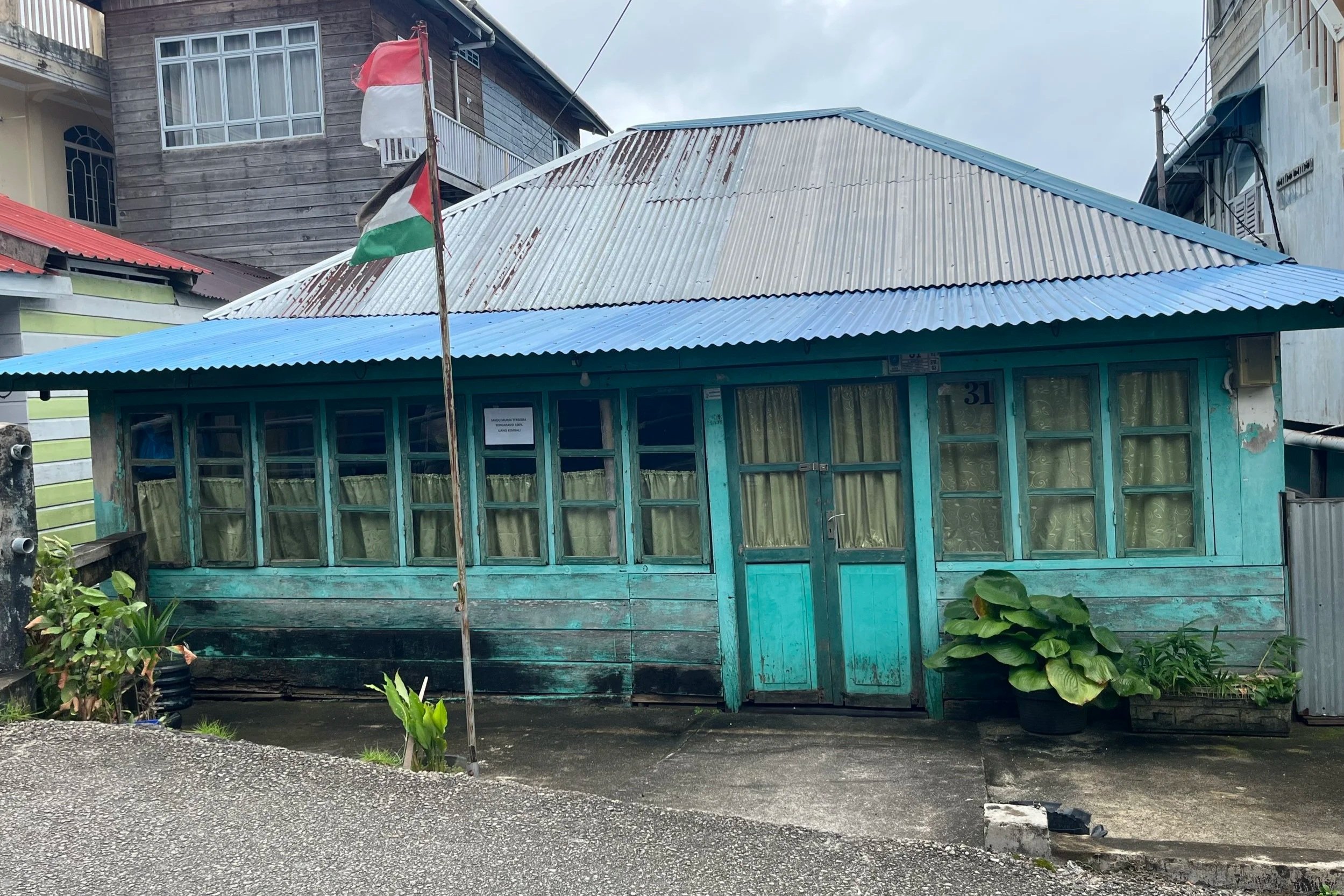
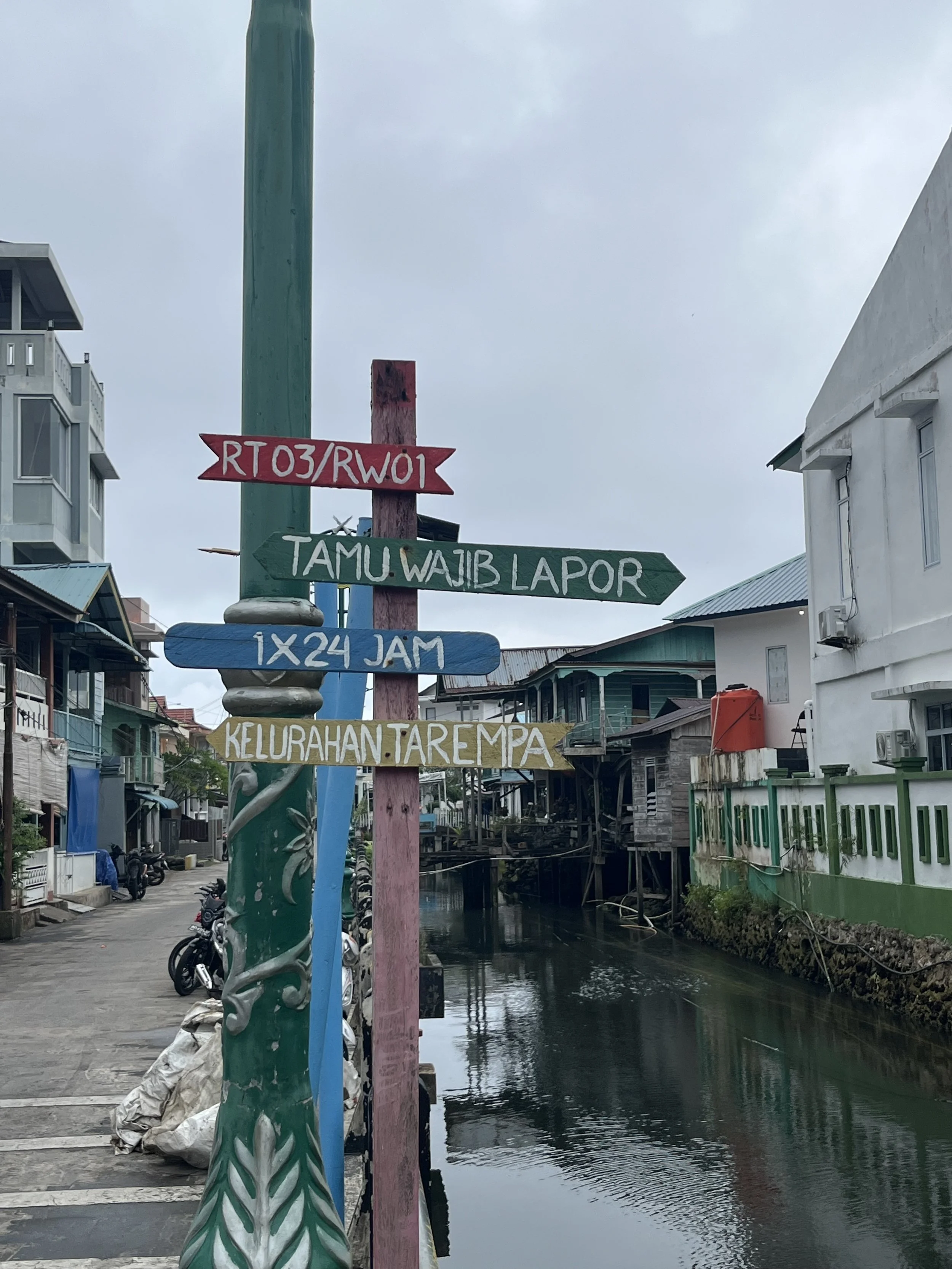
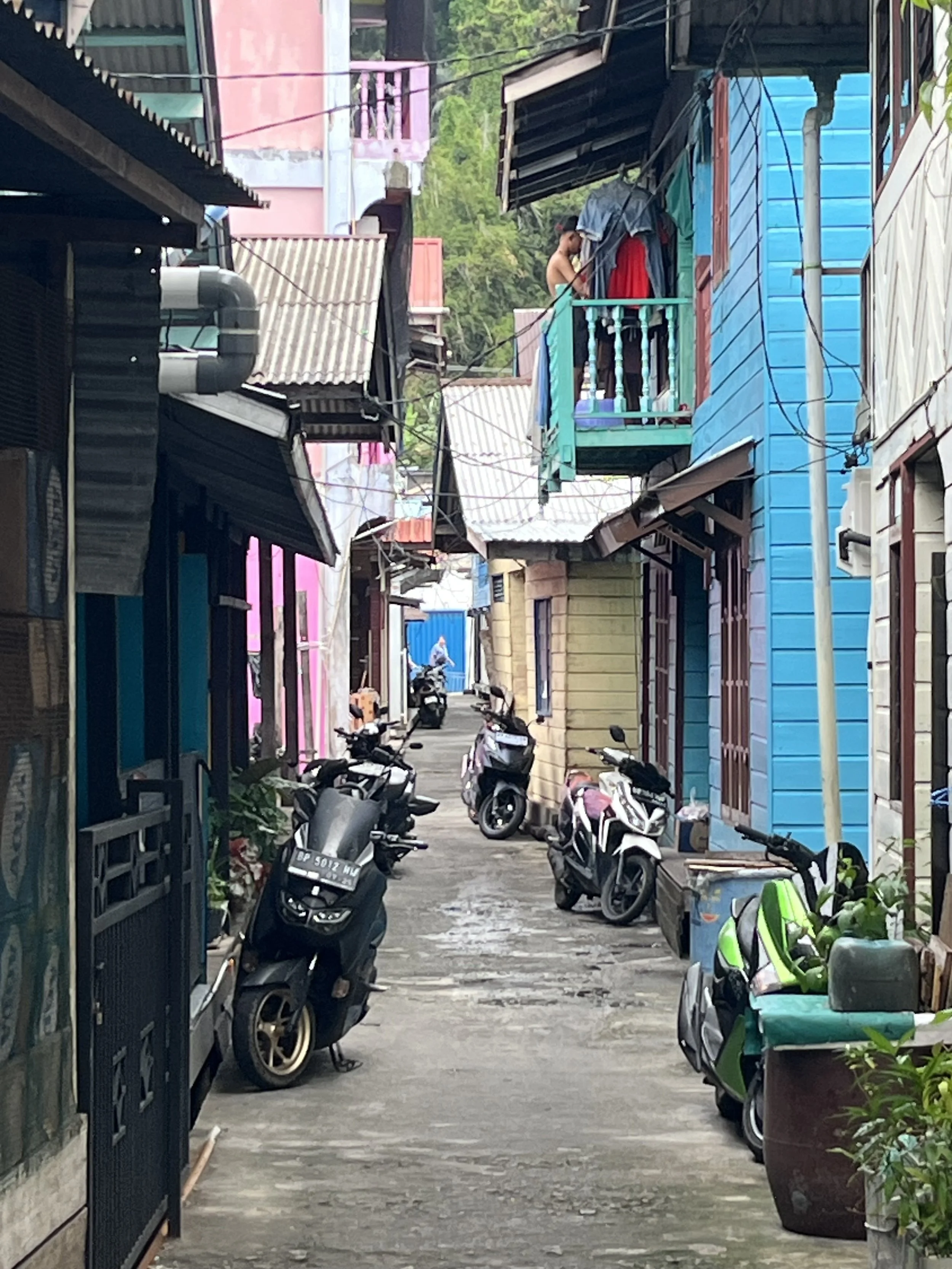
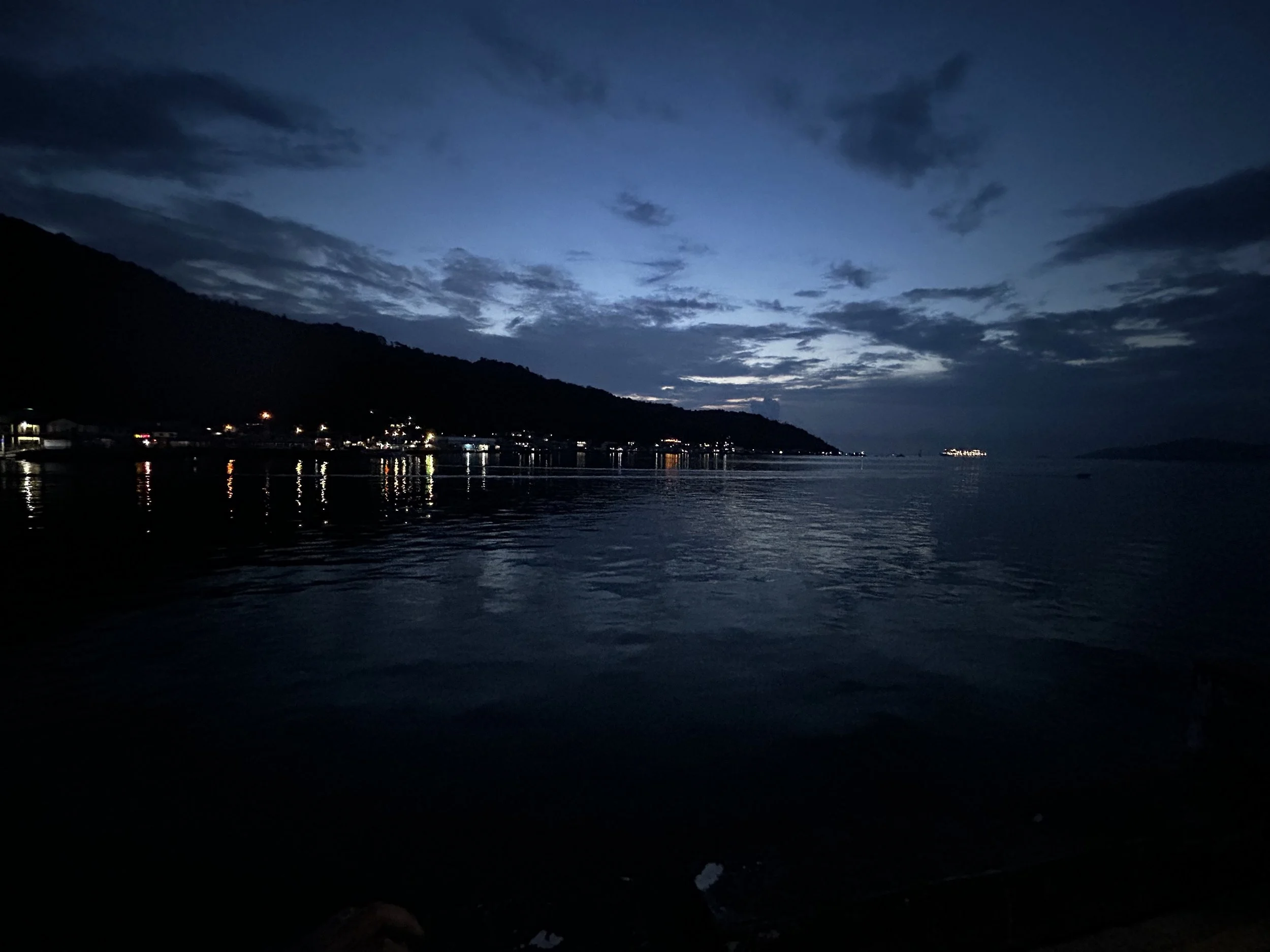
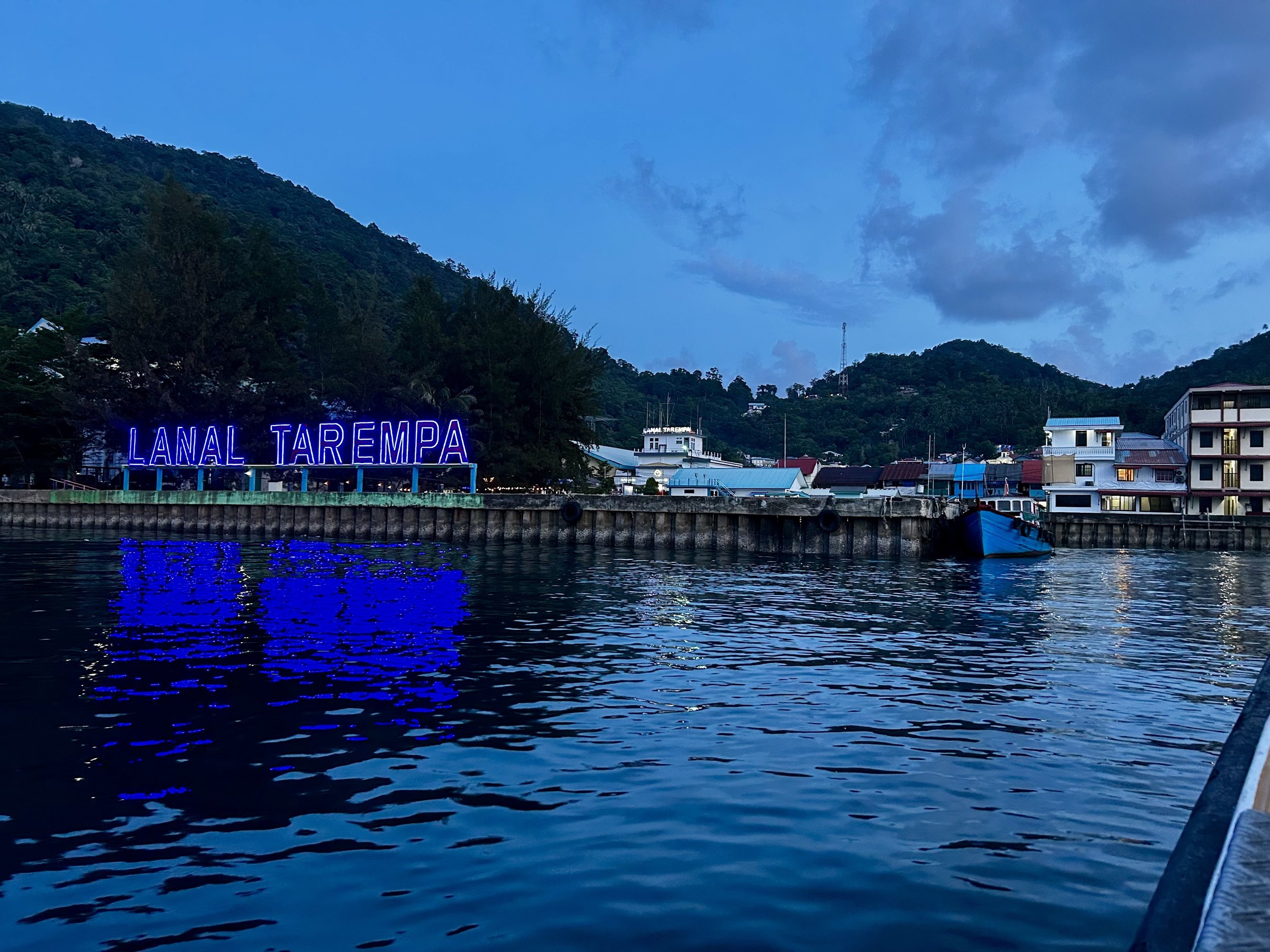
We filled our days in the Anambas Islands, Indonesia, wandering aimlessly and happily through the streets and alleys of Tarempa, a community of 4,000.
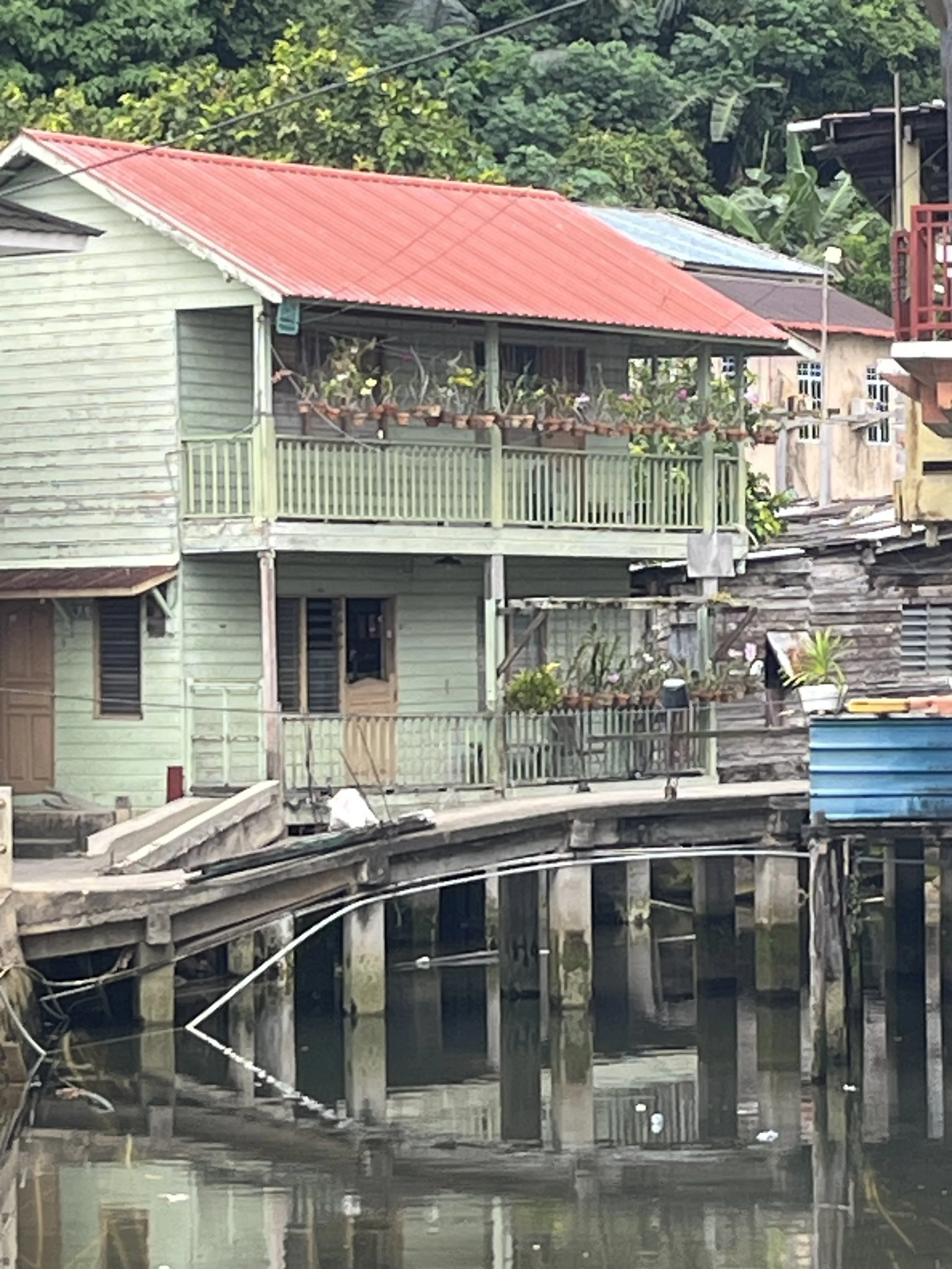
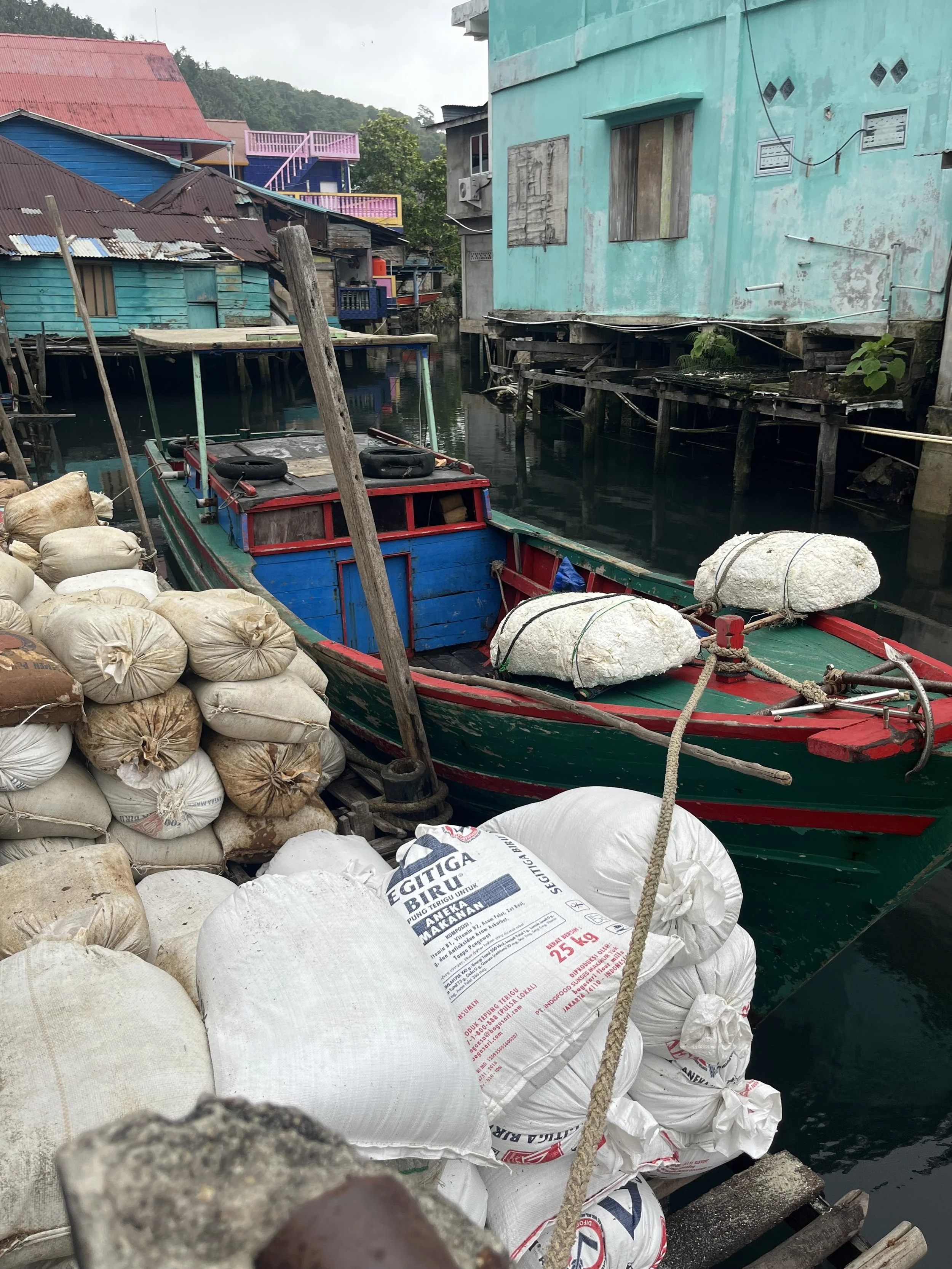
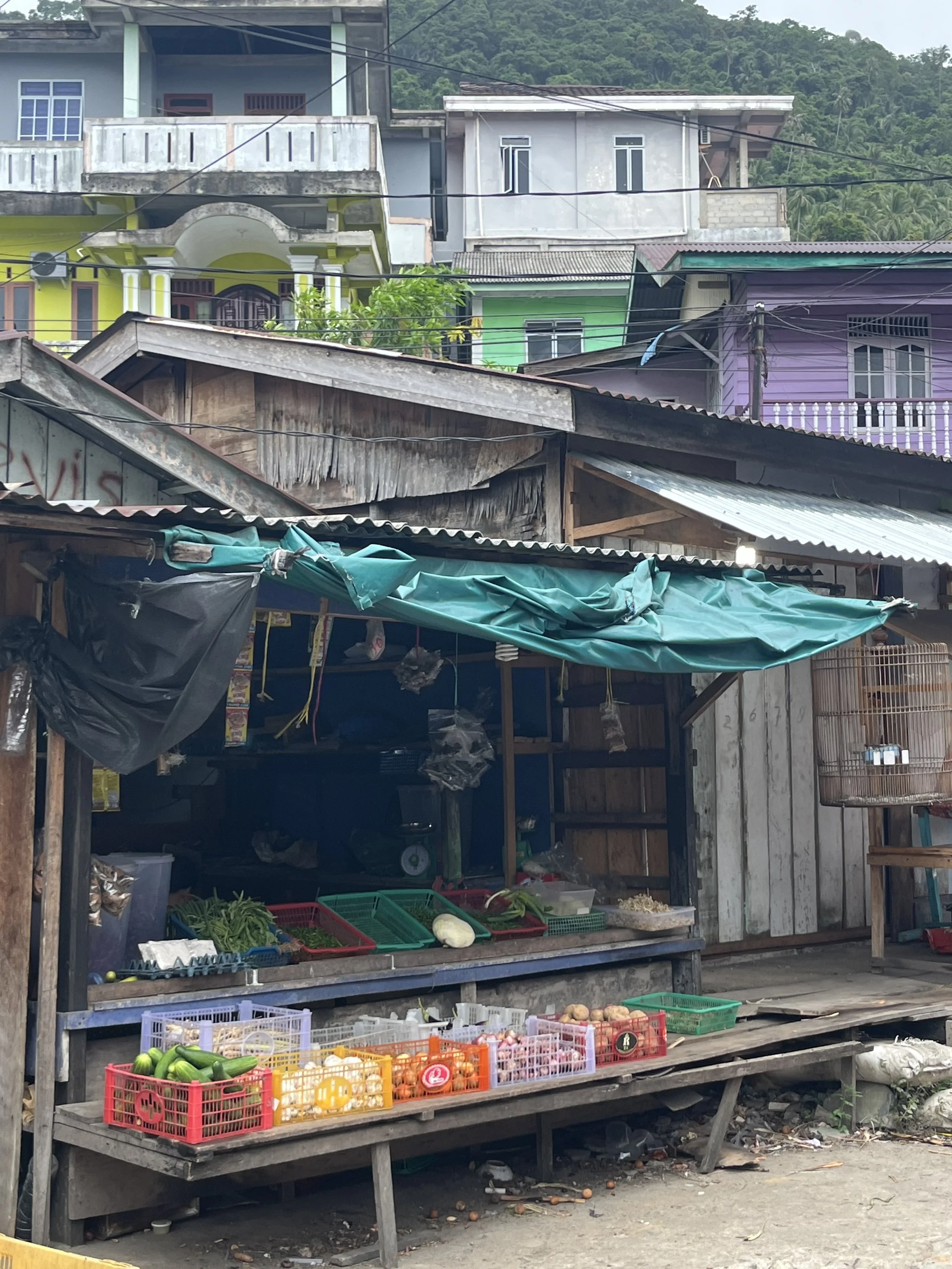
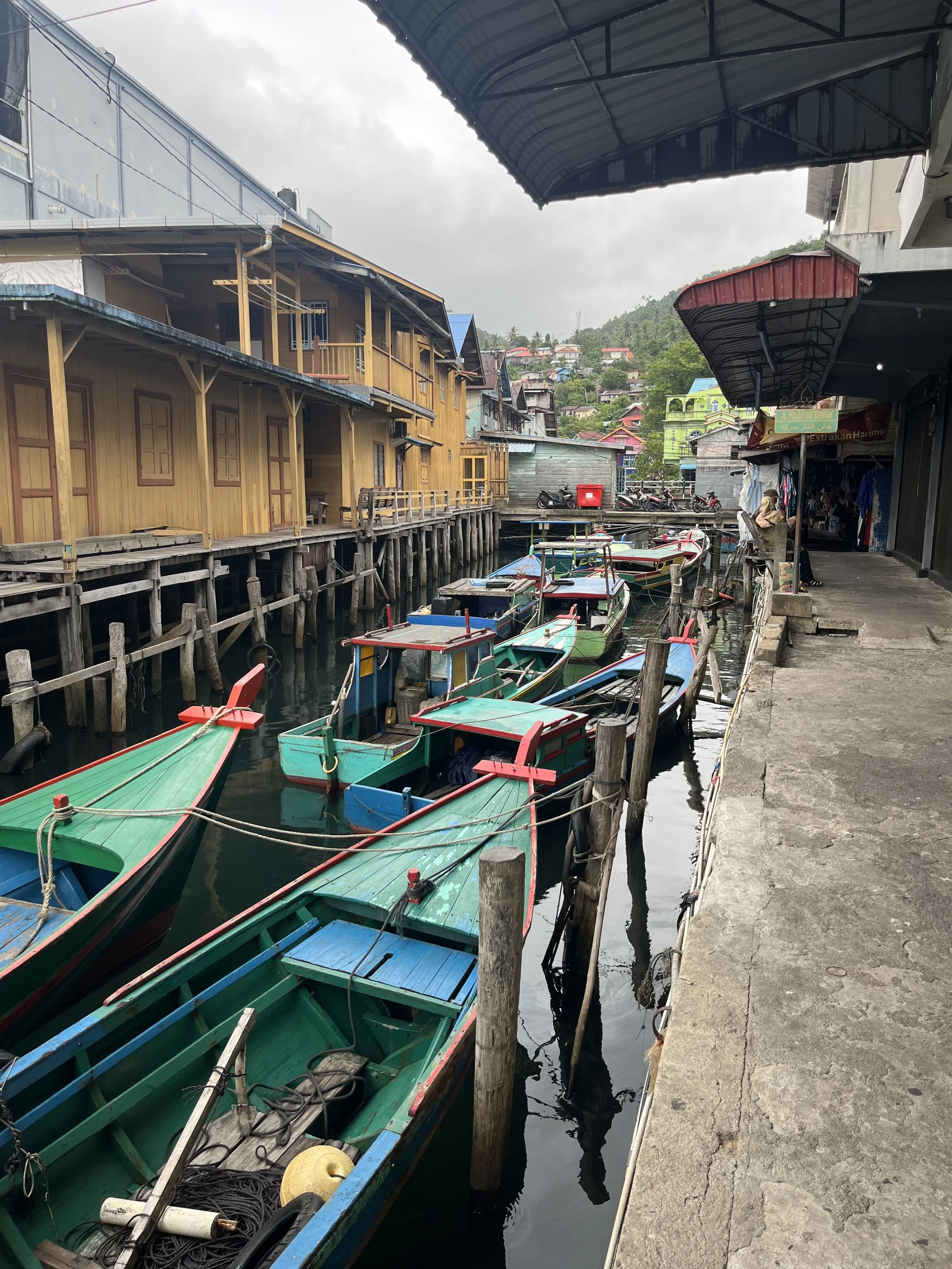
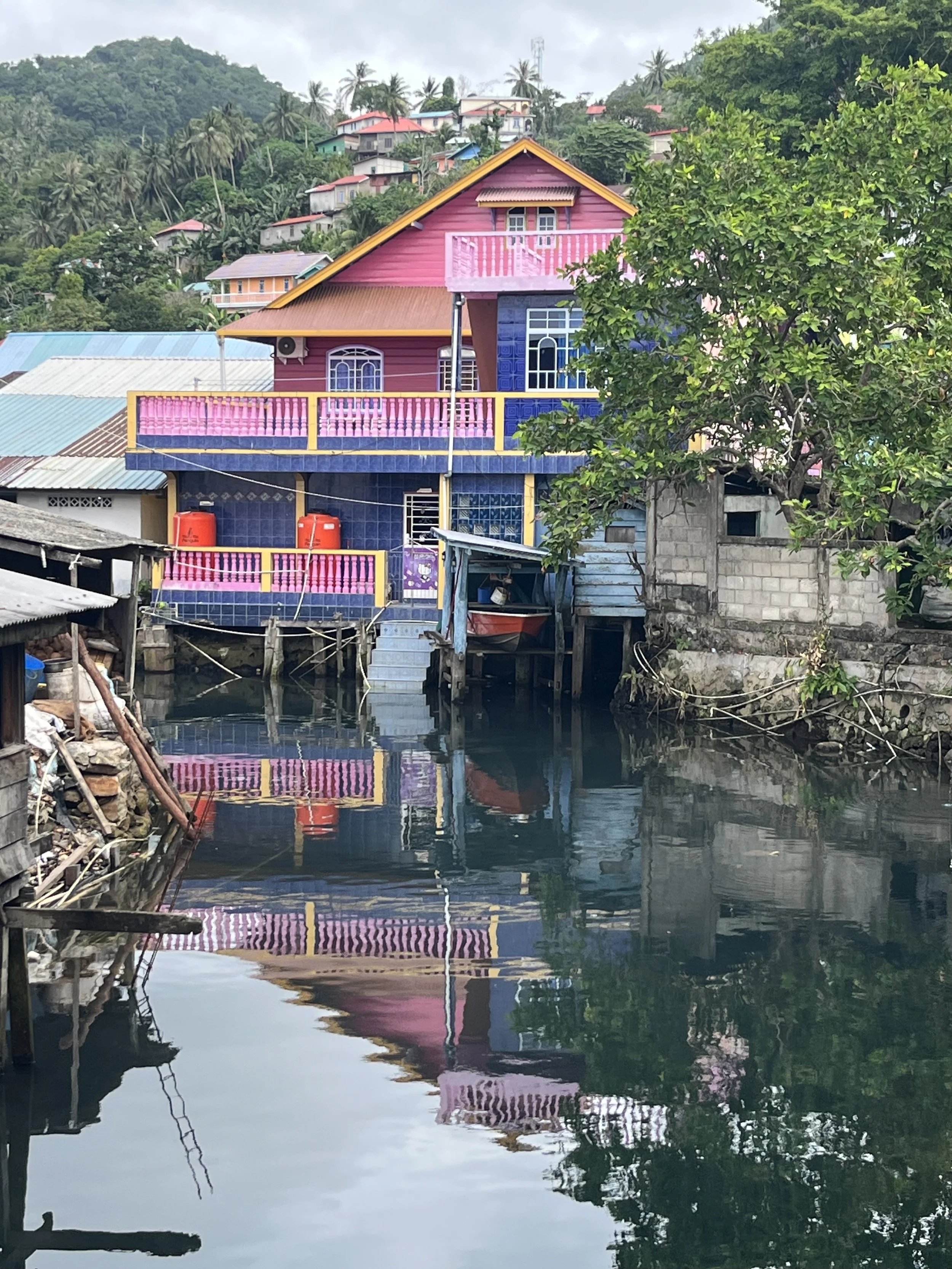
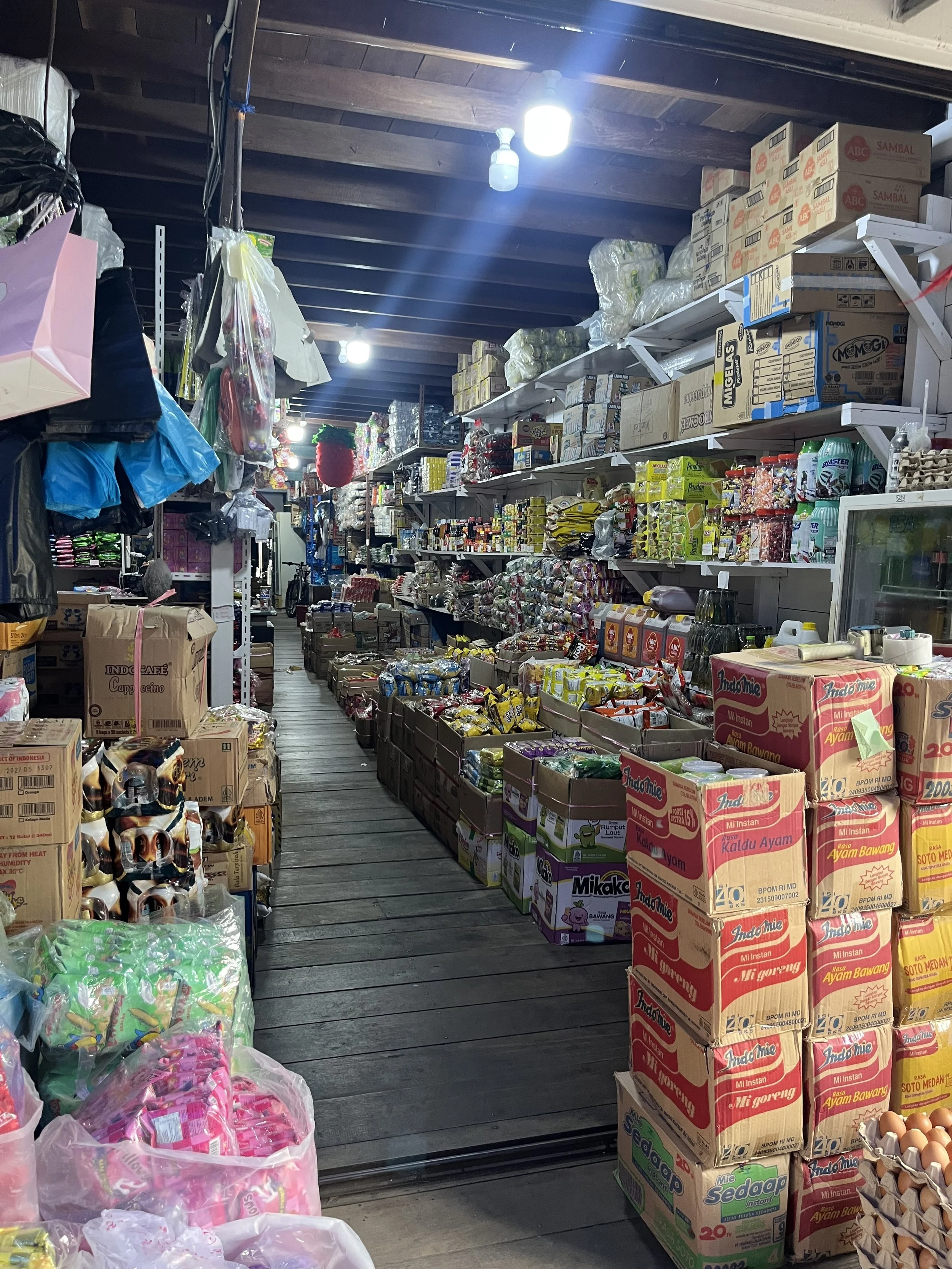
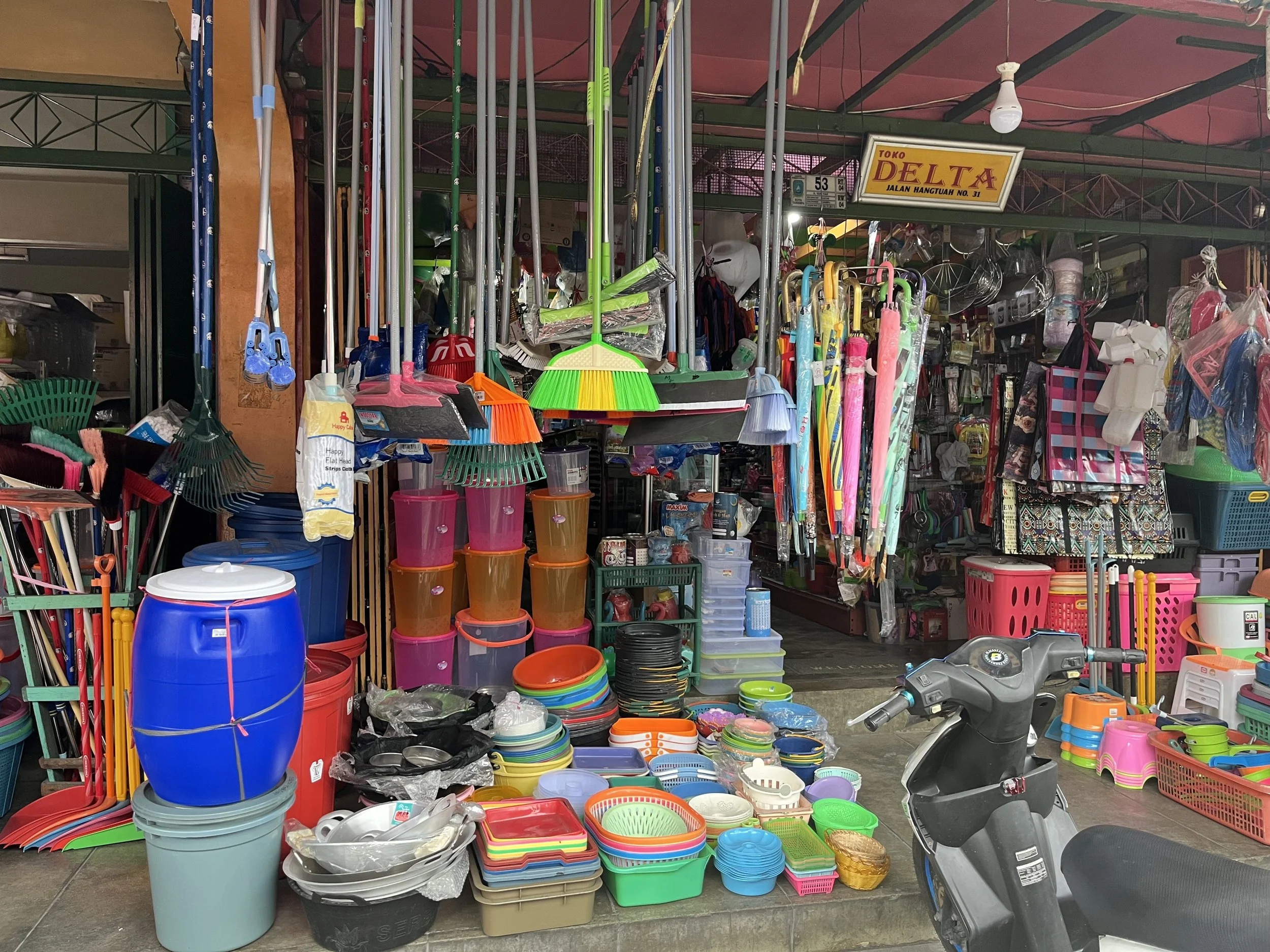
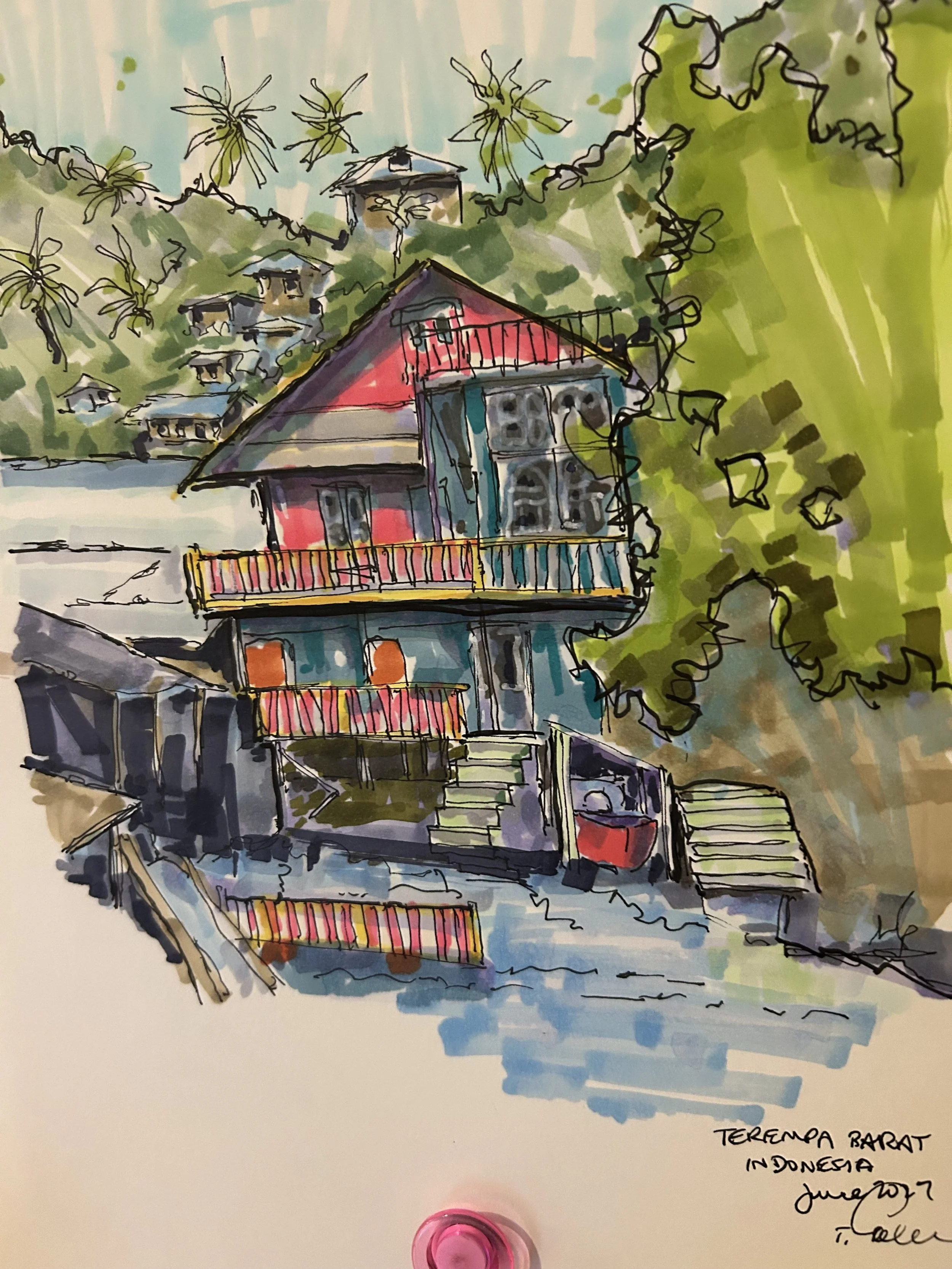
Most of the single-story homes and businesses are built on stilts over the water, joined by boardwalks and paved paths. It is a bit Venetian, with canals packed with low, narrow boats painted the brightest of colours. The buildings too are bright, almost garish combinations of green, pink, blue and yellow. It is impossible to take a bad photo.
We are the first cruise ship to arrive in many years, and people are genuinely delighted to see us. There is very little English here, but everyone greets us with a smile and ”hello”, even as they speed by on a motorcycle. Four young boys, around seven or eight, gestured to us as they were swimming. They wanted to show off their front and back flips, which we gave two enthusiastic thumbs up. Their friendliness is authentic, never accompanied by a request for money or an aggressive invitation to enter a store or purchase something, as it might be in other places. It is one of the safest and most genuine places we have travelled.
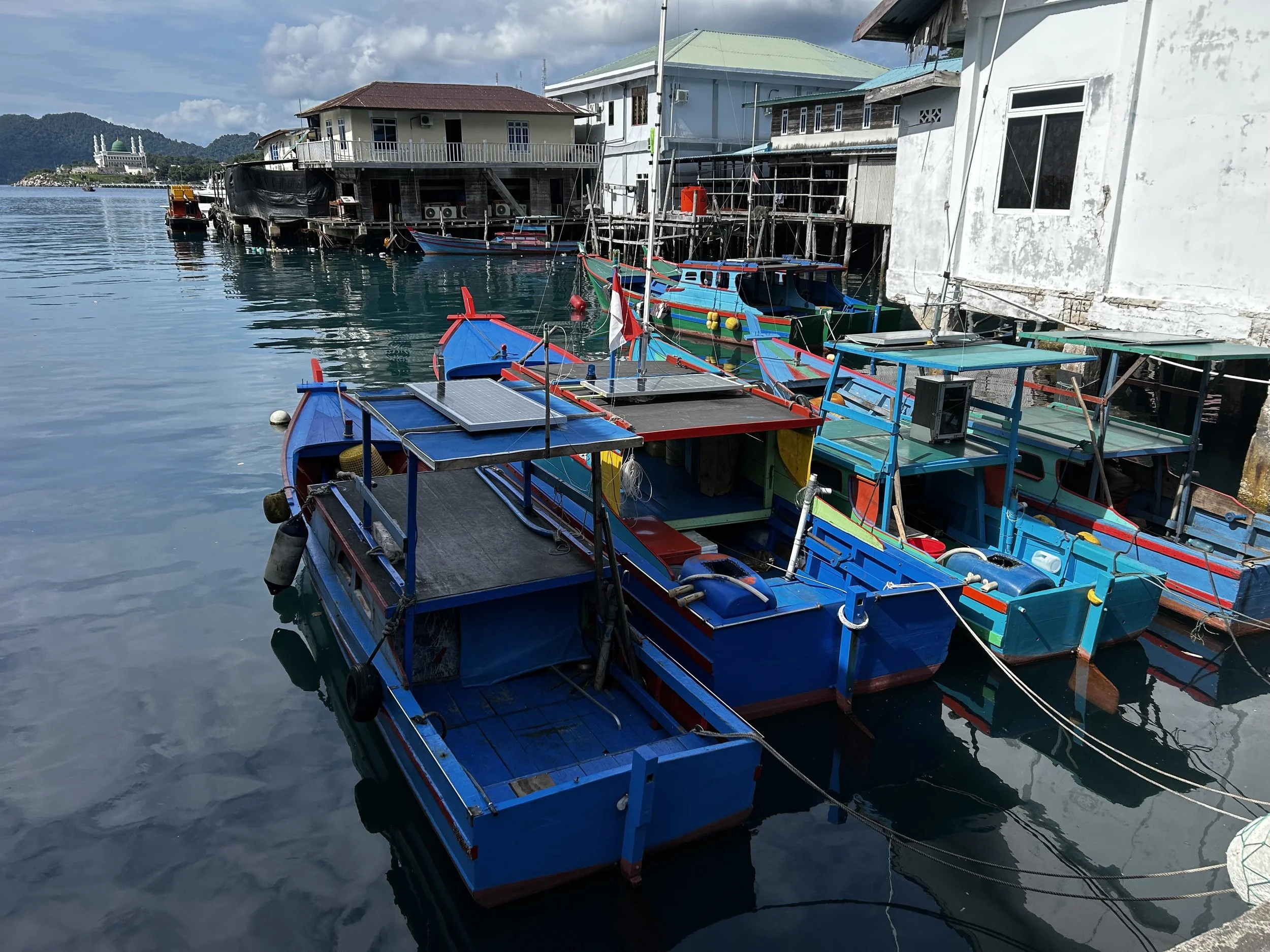
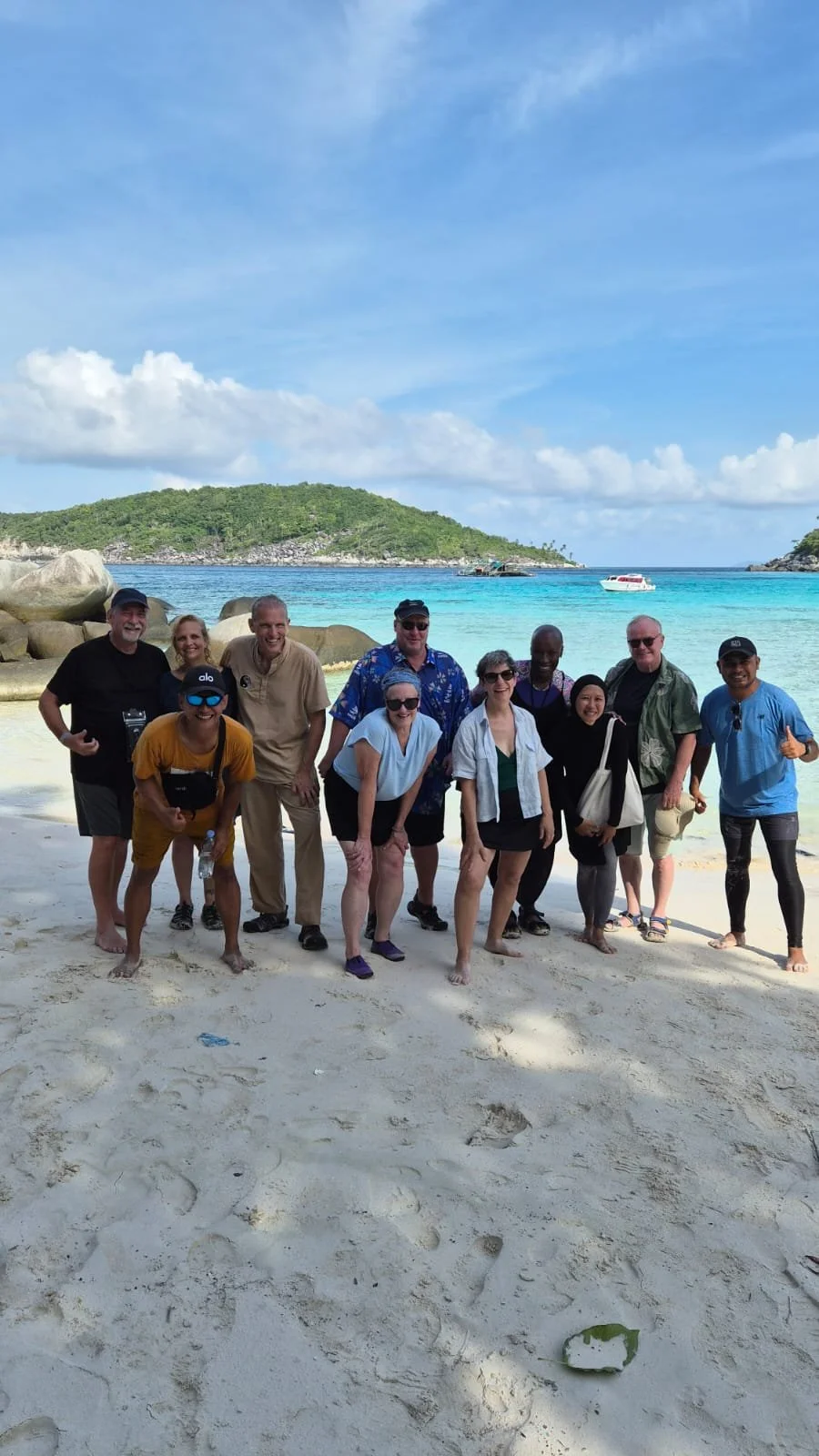
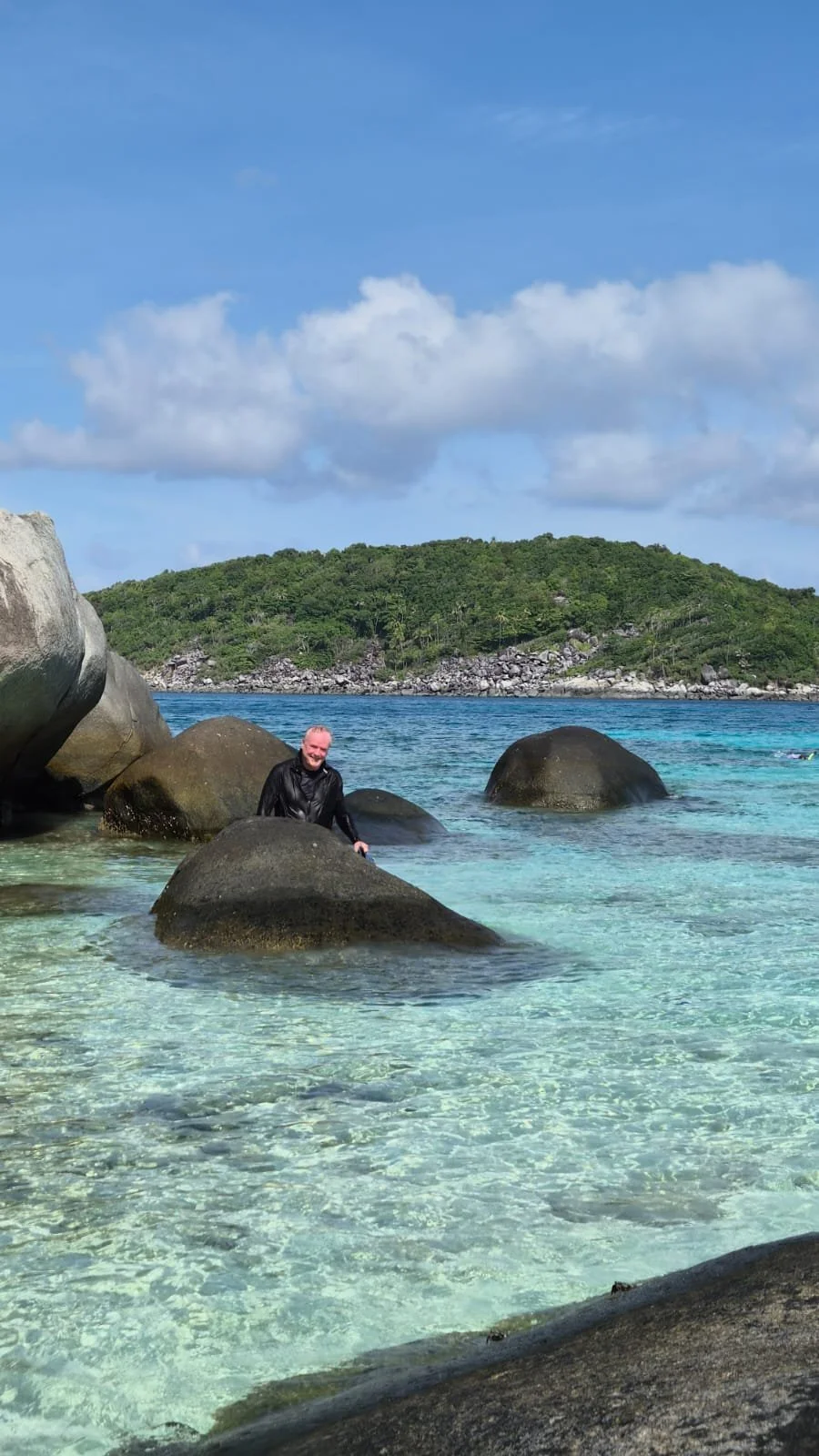
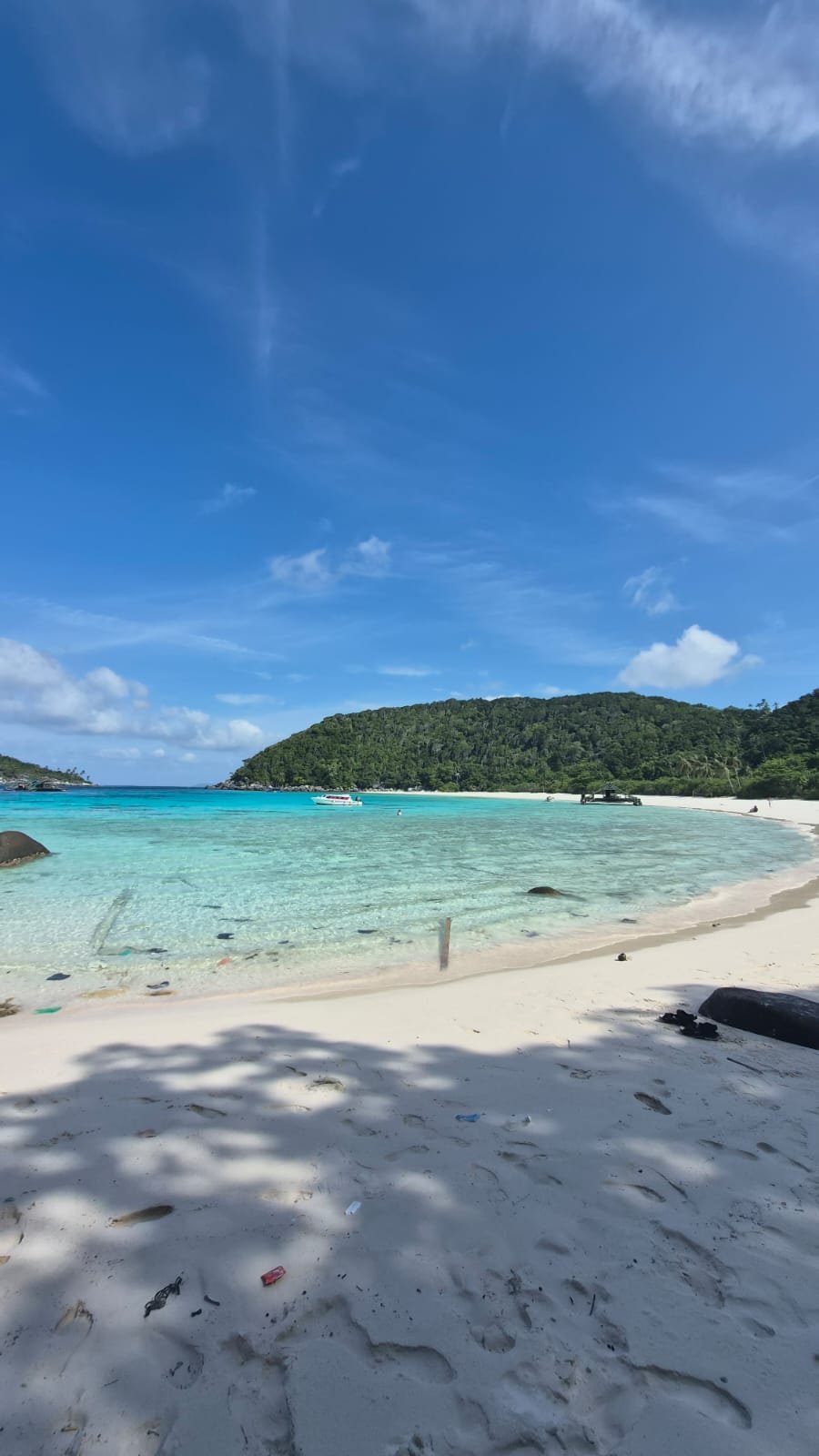
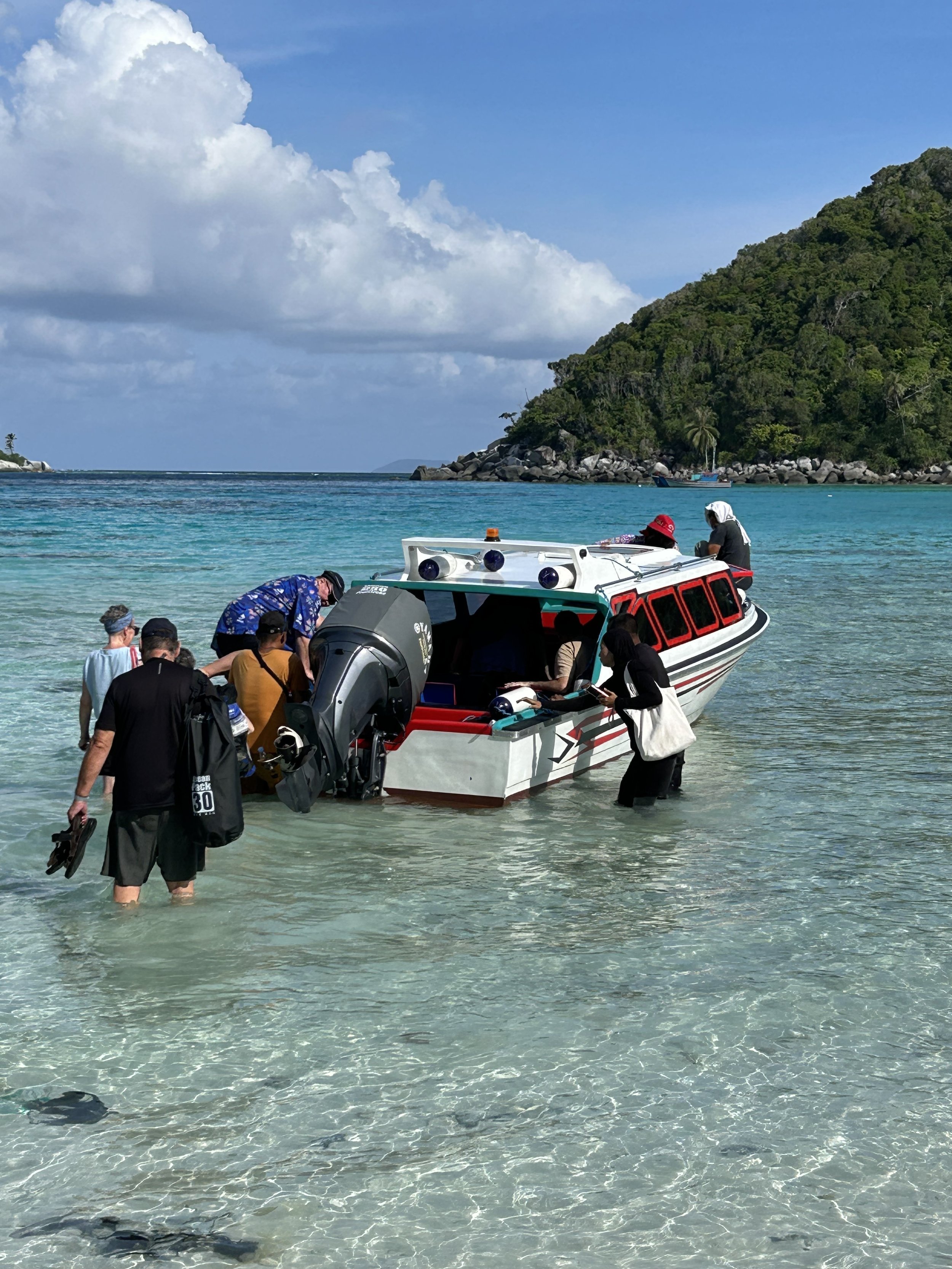
We spent one day with a small group on Panjalin Island, an hour by speedboat from Tarempa. Like most of the Anambas Islands, Panjalin is uninhabited. We had the white powder sand and warm water to ourselves, aside from the boats anchored offshore waiting for the night-time hunt for anchovies and squid.
While snorkelling we saw significant evidence of coral die-off, and wondered about the impact of climate change here. We were sobered by the garbage, especially plastic, on the beach and in the water. There is a community of people on this ship who want to make a positive impact on the communities we visit. However, a one-day beach clean up has limited impact and sustainability, especially when there is limited infrastructure for waste management and recycling on the islands.

It is interesting to observe women in this Muslim country.
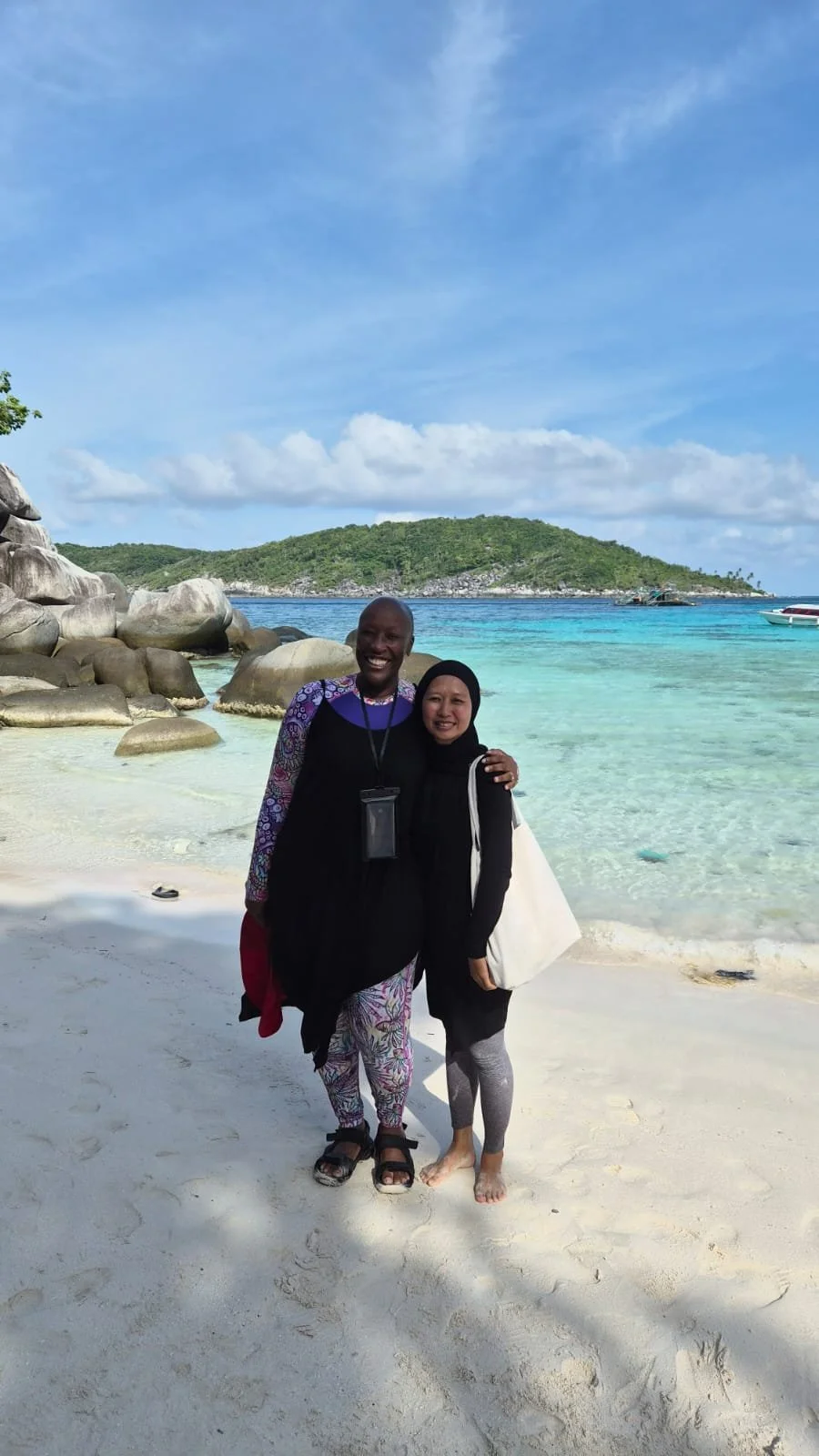
Almost all of the local women we have seen and met dress modestly. Their heads are always covered by a jilbab (although their faces are not.) Sleeves extend to wrists, necklines are high, and dresses and pants go to the floor. Even when swimming or snorkelling, women fully cover up from ankle to wrist to head.
However, women also appear to participate fully in society, alongside and equal to men. Women drive themselves and each other, attend mosque (although separated from the men), work and go to school with men, and interacted with us fully, without shyness or deferring to a man.
I wonder about our observations as we travel to other Muslim countries. Will we see different attitudes and experience different interactions?
Our adventure continues…
Jen & Terry xoxox
